How China’s Debt-Trap Diplomacy is Reshaping South Asia and Africa
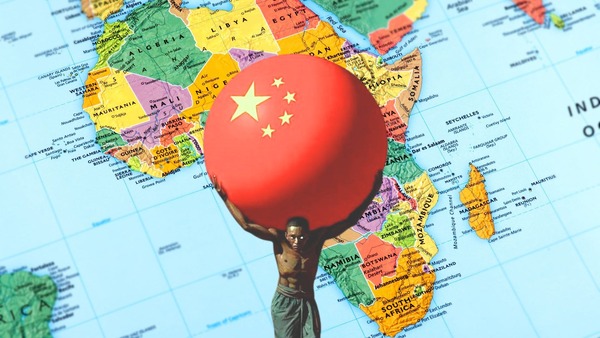
When China launched its Belt and Road Initiative (BRI) in 2013, it sounded exciting for the developing nations of Central and South Asia. The BRI held promises of being the modern Silk Road, bringing cooperation and economic growth to the region under the auspices of the world’s second largest economy. To the delight of these underdeveloped nations, China began giving out seemingly generous loans for infrastructure projects that would be part of the BRI. It took a few years for these emerging nations to realise that these loans came at a tremendous cost – they were intentionally excessive and non-transparent. And when these countries are unable to repay, China leveraged the debt for strategic, economic, or political gains.
Termed “debt-trap diplomacy” by renowned Indian geo-strategist Brahma Chellaney in 2017, this strategy has been reshaping South Asia and Africa because the debt often allows Beijing to influence the foreign policies of debtor nations and secure votes in international forums.
South Asia: A Cautionary Tale
In 2017, Sri Lanka signed a 99-year lease for the newly built Hambantota Port with China after struggling to repay billions of dollars in loans for infrastructure projects, including the port itself.
The story quickly shifted from “seizure” to “restructuring.” Still struggling with debt, the island nation suffered an economic collapse in 2022. Fortunately, China’s slow response during the height of this crisis allowed India to step in with $4 billion in emergency aid for Sri Lanka, effectively eroding China’s hold over the region.
By March 2026, Sri Lanka had successfully concluded restructuring deals for 99% of its public external debt, including complex swaps for its national airline. The country is also undertaking critical reform initiatives with the support of the IMF’s Extended Fund Facility (EFF).
Pakistan remains the ultimate stress test for the BRI. The China-Pakistan Economic Corridor (CPEC) has left Islamabad grappling with a $9.5 billion debt cycle. With circular debt in the energy sector rising to unmanageable levels and the CPEC 2.0 struggling to launch due to security concerns, Pakistan is walking a tightrope between Chinese demands and the IMF’s conditions.
Africa: From Megaprojects to “Small Yet Beautiful” Initiatives
The story is the same in Africa. The continent’s relationship with China has entered a historic reversal. For the first time, net debt flows are negative, with African nations now paying back more in principal and interest to Beijing than they are receiving in new loans.
The era of the “megadam” and the “grand railway” is being replaced by what Chinese officials call “small yet beautiful” projects. At the last Forum on China-Africa Cooperation (FOCAC) implementation meeting, the focus shifted to:
- Digital Infrastructure: 5G networks and data centres.
- Green Energy: Solar farms and EV supply chains (such as Ethiopia’s push for 500,000 EVs by 2030).
- Trade over Aid: Moving away from sovereign debt toward zero-tariff access for African exports.
While this shift sounds more sustainable, the fiscal “trap” remains. Countries like Zambia and Kenya are spending over 20% of their tax revenue just to repay external debt. This leaves little for spending on healthcare or education.
The New Reality: Strategic Agency
Critics might argue that the lending was too “haphazard and sloppy” to be a coordinated geo-strategic conspiracy. Whether or not intentional, the result is the same. Every indebted nation ends up with reduced policy autonomy. However, 2026 might just be the year of strategic agency. Developing nations are no longer passive victims. They are:
- Hedging: By playing India, the US and China against each other to get better terms.
- Oversight: Through mechanisms like the African Peer Review Mechanism to audit foreign contracts for transparency.
- Restructuring: Demanding that China follow the “Common Framework” for debt relief, rather than negotiating in the dark.
The bottom line is that China’s “debt-trap diplomacy” isn’t actually reshaping the Global South by turning the nations into Chinese colonies. It is changing how these regions function by forcing a painful lesson in fiscal sovereignty. With the shiny bridges already built, the real work of paying for them, without selling the future, has now begun.
 Rakesh Wadhwa. Ever since, I was a school boy, I knew India was on the wrong path. Socialism was just not what we needed to get ahead. Government controlled our travel; government controlled our ability to buy and sell; and government controlled our freedom to move our money. My life has focused on the inherent rights people have. When I was in college, I never understood, what the governments meant by their "socialistic attitude". If people are free to buy, sell and move their capital themselves without any restrictions by state, then the welfare of people is inevitable & hence the countries they live in will become wealthy. The government has no right whatsoever, to point a finger at me or my business. I am not a revolutionary. I just want to light up my cigarette and not get nagged about it. I believe in non-interfering attitude to attain more.
 The Bastiat Award is a journalism award, given annually by the International Policy Network, London. Bastiat Prize entries are judged on intellectual content, the persuasiveness of the language used and the type of publication in which they appear. Rakesh Wadhwa won the 3rd prize (a cash award of $1,000 and a candlestick), in 2006.
What the readers are saying…